


SPORTS CASE STUDIES
Operating at scale, under pressure
Sports licensing demands a different level of precision. Timelines are compressed, stakeholders are layered, and decisions carry real institutional weight. Our work in this space has focused on helping brands and manufacturers navigate that complexity - structuring programs that can move quickly while holding up under scrutiny.
We’ve supported the acquisition and management of more than three dozen collegiate licenses for clients including D Hudson, Vanny Vee, and Settlemier’s. That work required navigating university systems, conference structures, and approval processes, while aligning product strategy with seasonal demand and retail realities. The emphasis was always on prioritization by choosing the right schools, categories, and partners to build momentum without unnecessary exposure.
Alongside collegiate programs, we’ve contributed to sports-driven brand growth through selective partnerships and advisory work tied to established platforms in the category. These efforts reinforced the importance of credibility, heritage, and fit - especially in environments where fans and institutions are quick to recognize what belongs and what doesn’t.


entertainment CASE study
Worldbuilding, done right
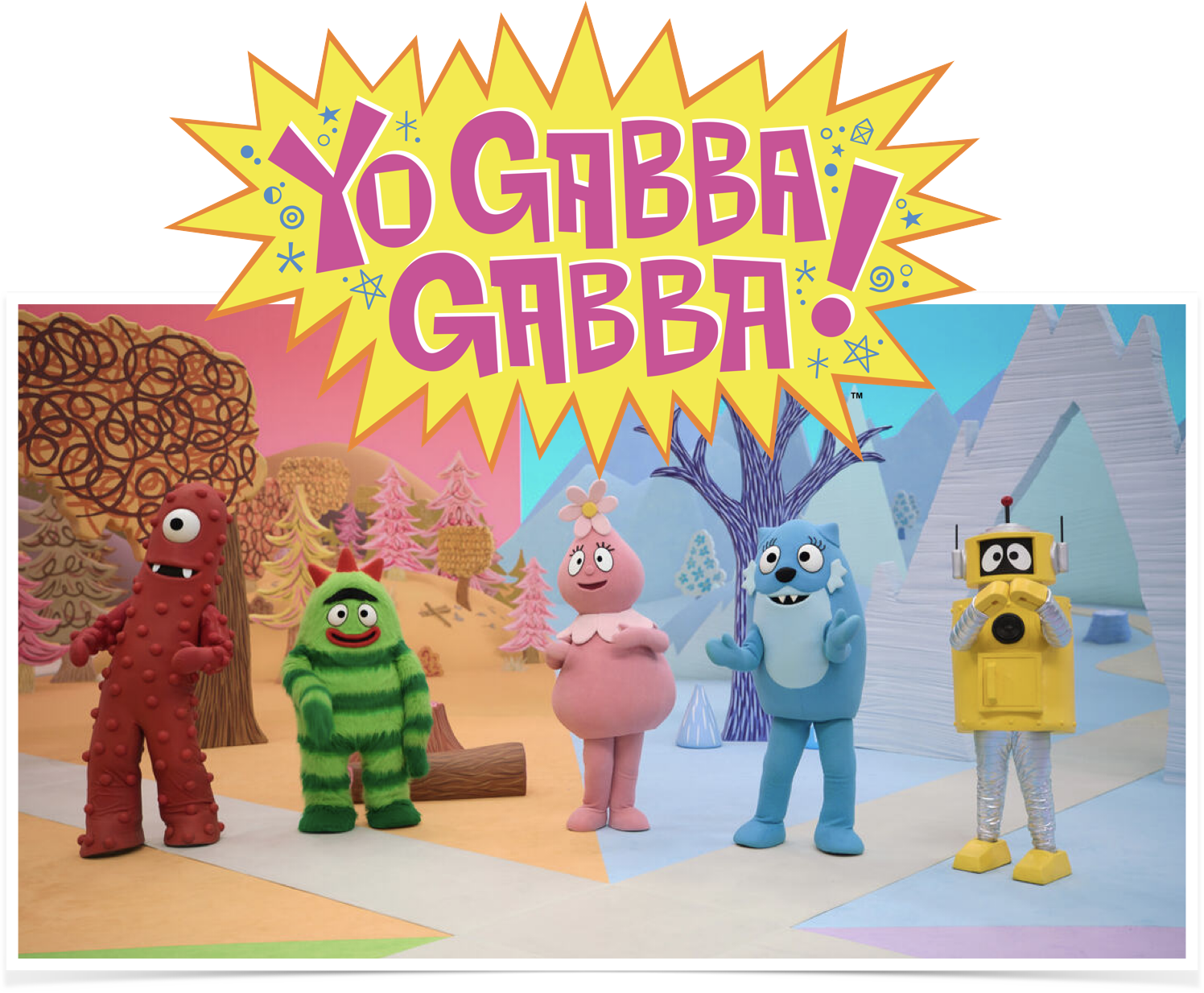
Yo Gabba Gabba was already a cultural phenomenon, with a distinctive visual language and a passionate, multi-generational fan base. The opportunity wasn’t simply to produce merchandise, but to extend the brand in ways that felt true to its playful spirit while standing up to real-world retail and licensing demands.
Our role focused on helping translate the show’s creative energy into commercially viable licensing opportunities. That meant identifying categories where the brand could live naturally, shaping product direction that respected the IP, and working with partners who understood both quality and audience. The emphasis was always on fit - ensuring that every extension felt like part of the same world fans already loved.
By grounding the licensing strategy in the show’s identity and tone, Yo Gabba Gabba was able to expand beyond the screen into products and experiences that reinforced its cultural relevance rather than diluting it. The result was a licensing approach that balanced creativity with discipline, allowing the brand to grow while staying unmistakably itself.

consumer products and cpg CASE study
From concept to momentum - FAST!
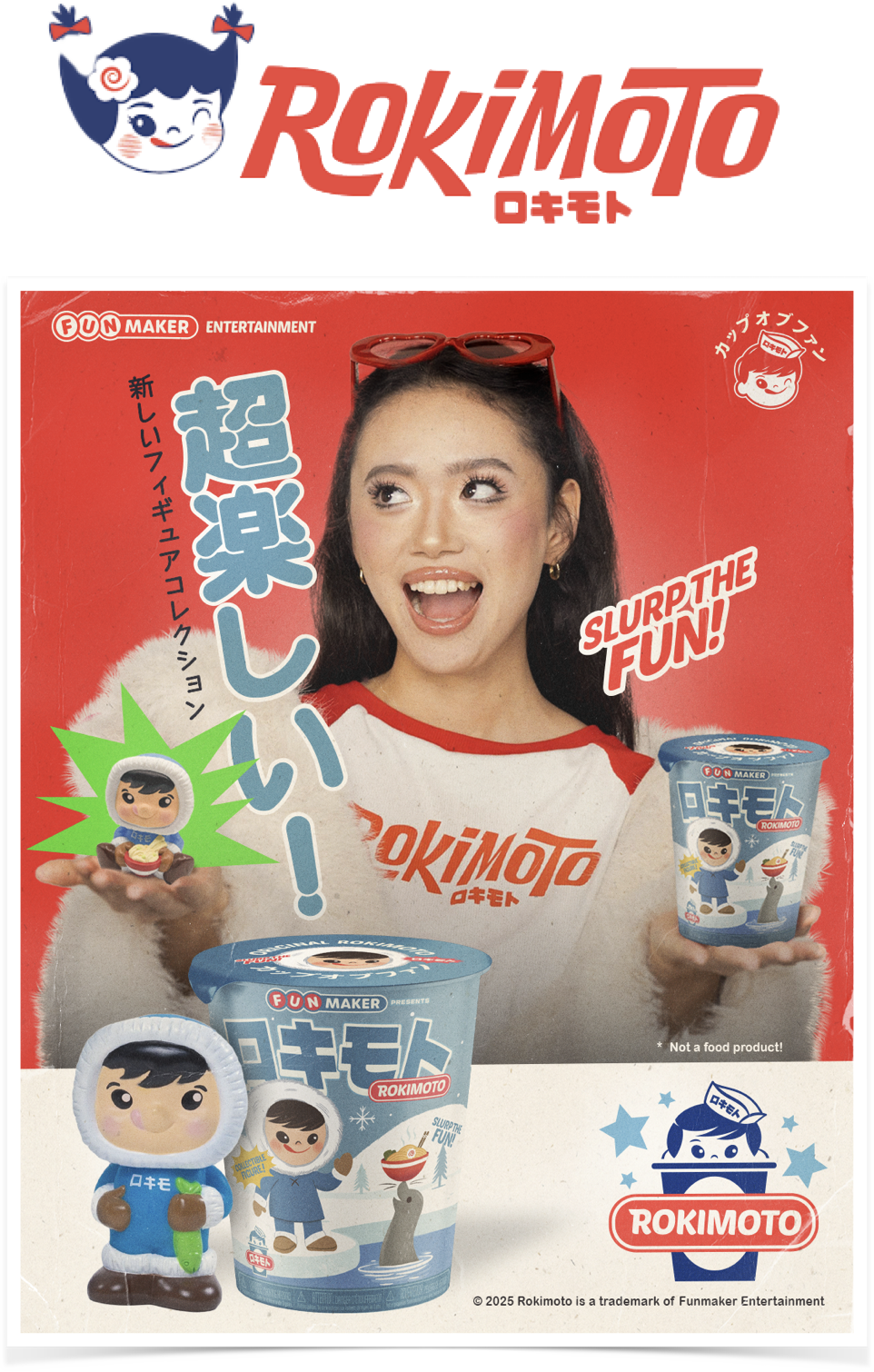
Rokimoto began as an idea with ambition but no established licensing footprint. The opportunity wasn’t just to launch a product, but to shape a brand that could move quickly without losing focus or credibility. Our role was to help translate that early vision into a commercial structure that could scale by prioritizing the right categories, the right partners, and the right sequence of moves.
We worked closely with the team to define a clear product and licensing strategy from the outset. That meant pressure-testing the concept, sharpening the positioning, and identifying where the brand could win immediately versus where patience would pay off. Instead of spreading energy across too many possibilities, we focused on building early momentum through a small number of high-impact decisions.
The result was a rapid transition from concept to execution. Within the first year, Rokimoto moved into market with confidence, secured key partnerships, and built a multi - million dollar business foundation. By keeping the strategy practical and the priorities tight, the brand avoided common early-stage pitfalls and gained traction faster than expected.
Rokimoto’s growth wasn’t about shortcuts - it was about clarity. Knowing what to pursue, what to defer, and how to move decisively made the difference between a good idea and a real business.

apparel & lifestyle CASE study
Growth that holds up at retail
Apparel and lifestyle licensing sits at the intersection of taste, distribution, and discipline. Growth comes not just from expanding categories, but from knowing when a brand is ready to scale - and when focus matters more than reach. Our work in this space has centered on helping brands translate identity into product programs that hold up at retail.
With Reyn Spooner, we supported a licensing and wholesale expansion that helped grow the brand seven-fold in less than five years. The emphasis was on tightening category strategy, selecting the right partners, and expanding distribution without diluting what made the brand distinctive. Growth followed by staying selective and deliberate rather than chasing every opportunity.
Moonlight Graham represents the founder-led side of this work. From early brand building through scale, the focus was on creating a coherent lifestyle platform - spanning premium licensed merchandise, owned retail, and top-tier wholesale relationships. The brand grew to more than ten company-owned stores, alongside placement in retailers such as Nordstrom, Bloomingdale’s, Saks, and key sports venues. Each step reinforced the same idea: consistency builds trust, and trust drives growth.


collectibles & limited editions CASE study
Scaling passion and opportunities
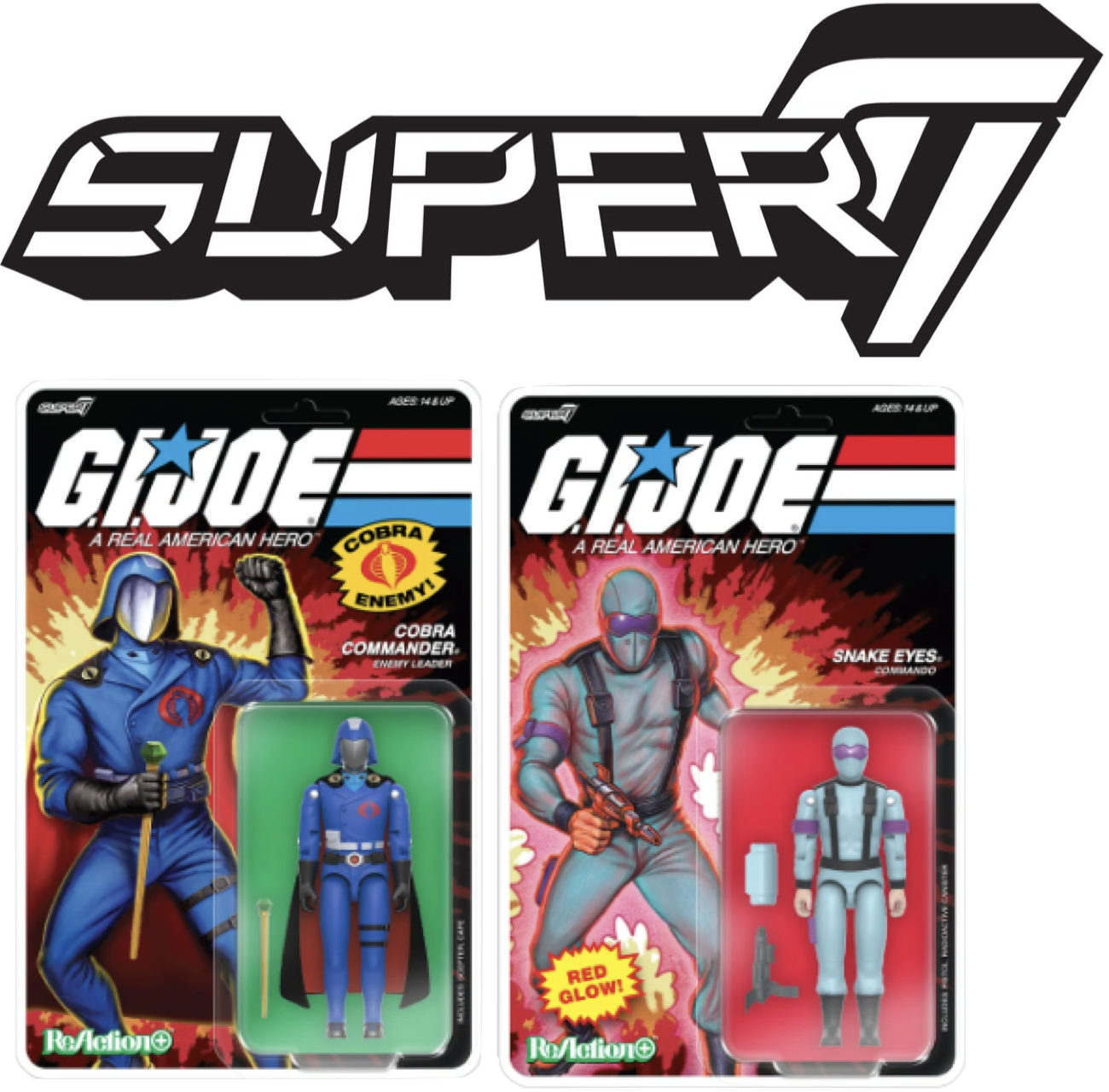
Super7 built its business at the intersection of pop culture, design, and fandom. The challenge wasn’t demand (there was plenty of it) but how to grow without losing the qualities that made the brand resonate in the first place. The work required balancing speed and scale with restraint, clarity, and long-term brand integrity.
Our role focused on helping shape a licensing and growth strategy that respected Super7’s point of view while opening the door to broader commercial opportunity. That meant prioritizing the right IP, structuring partnerships carefully, and sequencing expansion so growth felt intentional rather than reactive.
Over a period of fewer than five years, Super7 grew 50x. That growth was driven not by chasing every opportunity, but by choosing the right ones; limited releases, disciplined partnerships, and products that felt authentic to the audience they were made for.
Super7’s trajectory demonstrates that collectibles can scale without becoming generic. When strategy and taste move together, growth doesn’t have to come at the expense of identity.

DTC & e-commerce CASE study
Building a licensing engine that scales
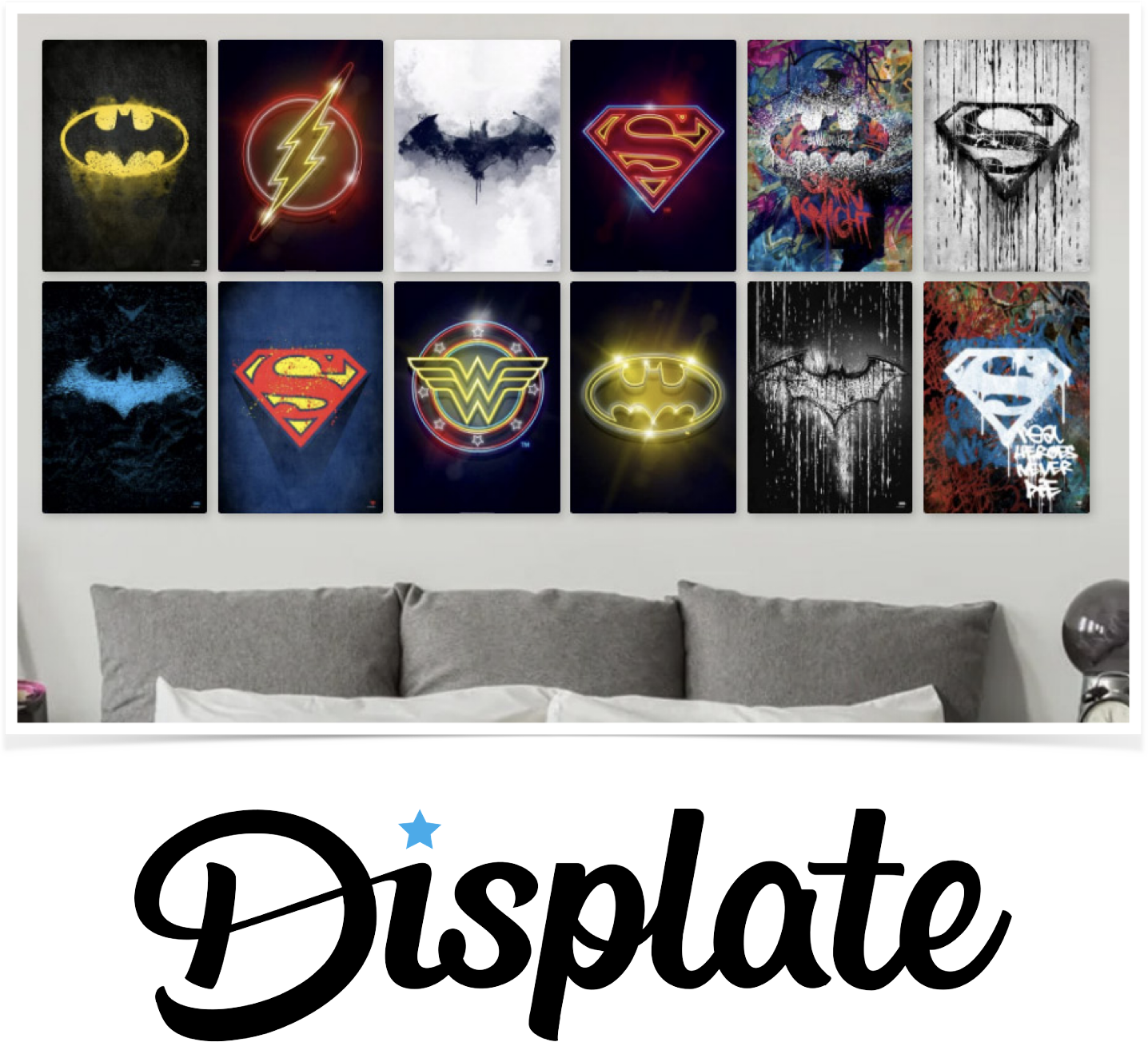
Displate operates in a direct-to-consumer environment where licensing decisions have an immediate impact on performance. Speed matters, but so does structure, especially when growth is happening across global audiences and multiple IP categories at once.
Our work focused on strengthening Displate’s licensing program so it could scale without losing clarity. That meant tightening category priorities, refining partner selection, and aligning licensing strategy with the realities of a high-velocity e-commerce business. The goal was to create a system that allowed the team to move quickly while maintaining consistency and control.
Within 18 months, Displate’s licensing revenue tripled. That growth came from disciplined prioritization and repeatable processes rather than one-off wins. By treating licensing as a core operational engine integrated with product, marketing, and fulfillment, the program was able to expand rapidly without becoming fragmented.
Displate’s trajectory illustrates how licensing can thrive in a DTC model when strategy, systems, and execution are aligned.